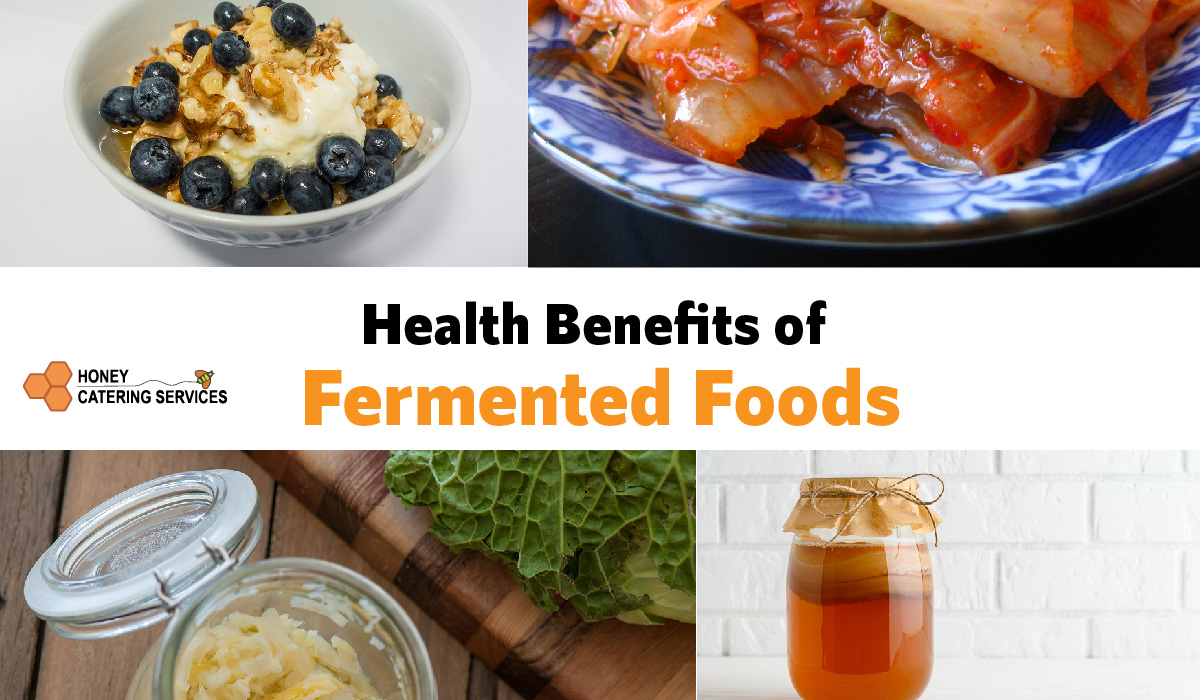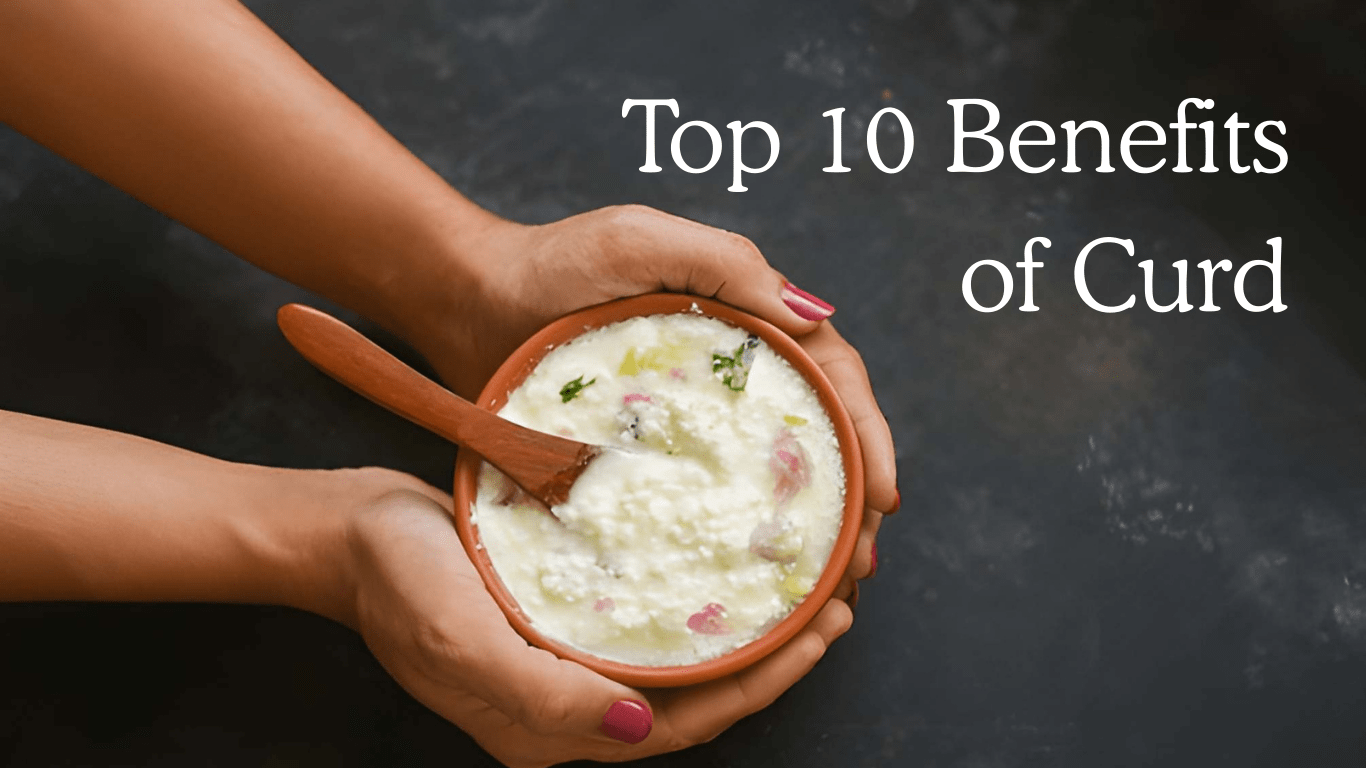
Curd is now one of the most important foods for many individuals who are planning to take care of their gut. With growing awareness about digestive health and the benefits of probiotics, people are turning to natural foods rather than supplements. Curd, commonly known as Dahi, is one of the healthiest and most versatile dairy foods in India. Curd contains live cultures that support the growth of good bacteria in the intestine, improving digestion and nutrient absorption. Regular consumption of curd can help reduce issues like acidity, bloating, and constipation, while also strengthening the immune system. Because of its cooling nature and rich nutritional profile, curd has become a daily dietary choice for health-conscious people who want to improve their gut health naturally. From a bowl of curd rice to a cooling glass of buttermilk or a creamy lassi, curd has a special place in Indian homes. But what makes curd so powerful, and why do nutrition experts call it a probiotic superfood? Come let’s explore Top 10 benefits of curd, its meaning, benefits, nutrition, recipes, and FAQs for everything you need to know.
What is Curd? | Curd Meaning
Curd is a fermented dairy product made by adding natural bacteria to warm milk. The bacterial culture converts lactose into lactic acid, giving curd its creamy texture and slightly sour taste.
Curd meaning in dictionary terms: Curd is a dairy food produced by curdling milk using bacteria.
Curd in Hindi: दही; Curd in Tamil: தயிர்
It is widely used across India and Sri Lanka, especially in daily meals.
Is Curd Good for Health?
Yes, curd is good for health and recommended by nutritionists for children, adults, and elders. It is rich in probiotics, improves digestion, helps immunity, supports bone health, and cools the body naturally.
Top 10 benefits of Curd Nutrition (Per 100g)
Curd is packed with essential nutrients:
- Calories: 98 kcal
- Protein: 3.4 g
- Fat: 4.3 g
- Carbohydrates: 4.7 g
- Calcium: 89 mg
- Vitamin B2 & B12
- Healthy probiotics
So yes, curd has protein — making it a complete food for daily meals.
Top 10 Benefits of Curd
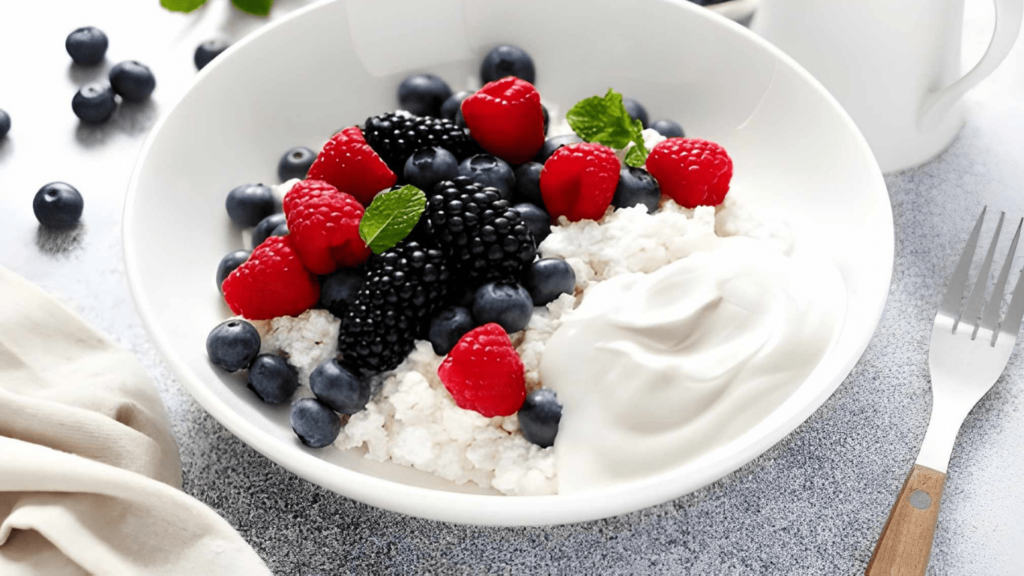
Curd is more than just a side dish—it is a nutrient-dense superfood that supports overall health. Its probiotic content, vitamins, and minerals make it an excellent addition to a balanced diet. Here are some of the key benefits of adding curd to your daily meals:
1. Improves Digestion
Curd is rich in probiotic bacteria that help maintain a healthy gut environment. These good bacteria aid in digestion, reduce acidity, and prevent common issues like gas and bloating. Curd also supports better nutrient absorption from other foods.
2. Strengthens Immunity
A healthy gut is directly linked to stronger immunity. The live cultures in curd promote gut health, which helps the body build resistance against infections, allergies, and seasonal illnesses.
3. Enhances Bone and Tooth Health
Curd is an excellent source of calcium and phosphorus, essential minerals that support strong bones and teeth. Including curd regularly can be especially beneficial for children, growing teenagers, and older adults.
4. Natural Cooling Effect
Curd has a naturally cooling effect on the body. It helps regulate body temperature during hot seasons and can be consumed in multiple refreshing forms like buttermilk, lassi, or raita.
5. Supports Weight Management
Curd is high in protein and helps keep you full for longer, reducing unhealthy snacking. It also supports metabolism, making it a great choice for individuals trying to manage weight.
6. Good for Heart Health
The probiotics in curd can help reduce bad cholesterol levels and promote better heart health. Regular consumption may support healthy blood pressure levels as well.
7. Improves Skin and Hair
Curd is widely used in traditional beauty routines. It moisturizes the skin, prevents dryness, reduces dandruff, and adds shine to hair. A simple curd hair mask or face pack can show visible results.
8. Helps Reduce Lactose Intolerance Symptoms
Because fermentation breaks down lactose, curd is easier to digest than milk. Many people with mild lactose intolerance can comfortably consume curd without discomfort.
Is Curd the Same as Yogurt?
Curd and yogurt are similar, but not exactly the same.
| Feature | Curd (Dahi) | Yogurt |
| Culture | Natural bacteria | Specific Bacteria strains |
| Taste | Mild and Creamy | Tangier |
| Origin | Home made traditionally | Industrial fermentation |
| Probiotics | yes | Yes, controlled |
So to answer the question: Curd is not the same as yogurt, but both are healthy.
Is Dahi Yogurt Healthy?
Yes. Dahi (curd) and yogurt are both rich in probiotics and protein. Yogurt contains specific cultures like Lactobacillus bulgaricus and is slightly tangier than curd. Both are healthy for daily consumption
No. Curd is made by fermentation, while cheese is made by coagulating milk with enzymes and aging it. So curd is not cottage cheese, and curd is not cheese.
Sri Lankan curd is a traditional type of curd made from buffalo milk, usually served in clay pots. It is thicker, creamier, and has a slightly sweet flavor. It is often eaten with palm treacle and is a famous dessert in Sri Lanka.
How to Make Curd at Home?
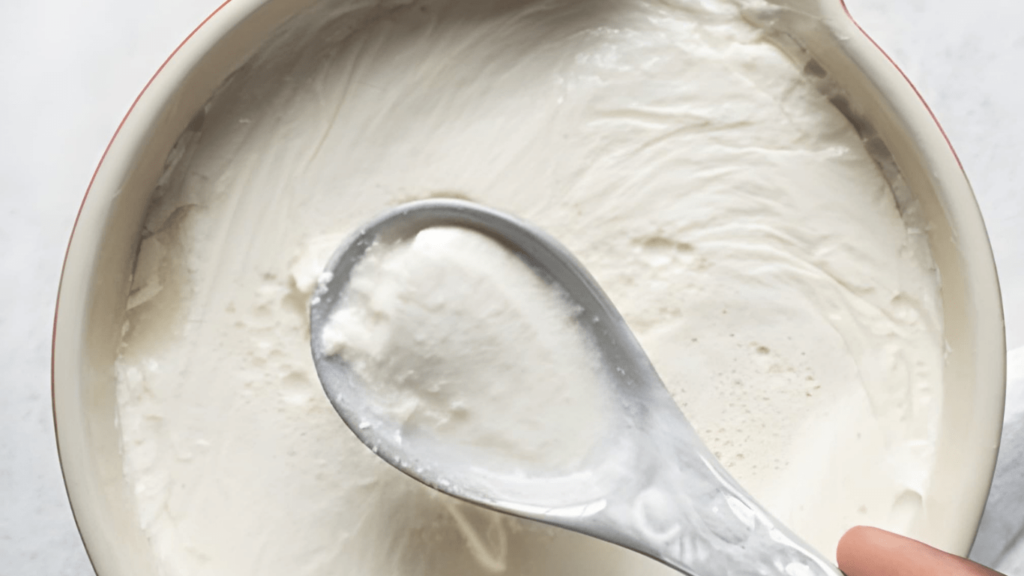
You can make curd easily in your kitchen.
Ingredients
- Warm milk
- A teaspoon of previous day’s curd (starter)
Method
- Heat milk and allow it to cool until it becomes warm (not hot).
- Add a spoon of curd and mix gently.
- Cover and keep it undisturbed for 6–8 hours.
- Once set, refrigerate to avoid sourness.
So if you’re searching how to make curd or curd recipes, this is the easiest method.
Curd Recipe: Simple Ways to Use Curd
There are many ways to include curd in your diet:
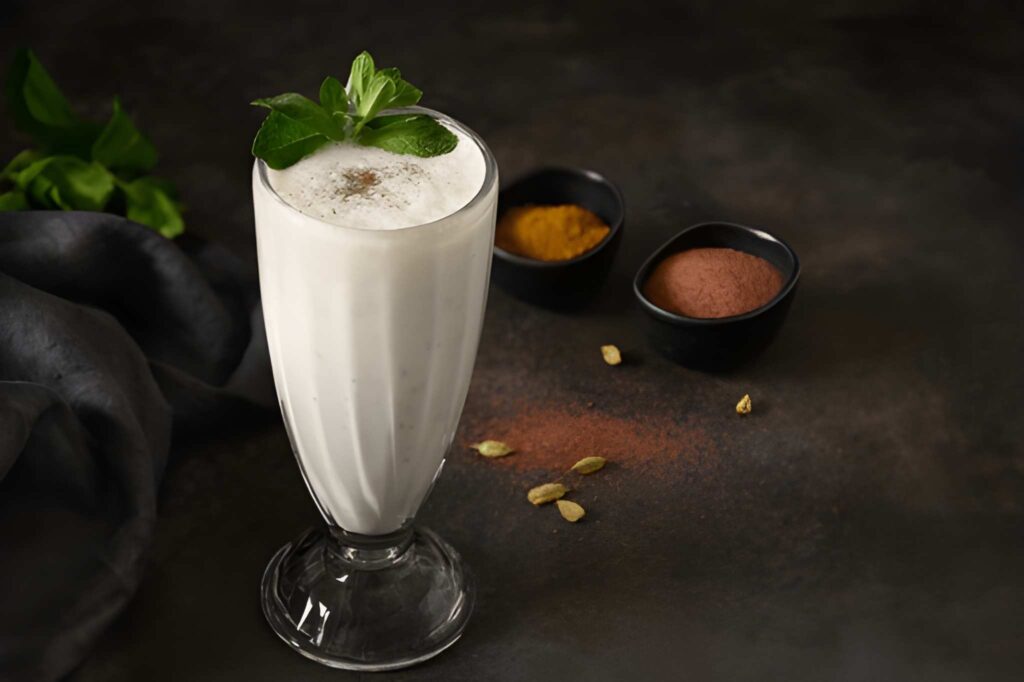
- Curd Rice
- Masala Buttermilk
- Lassi
- Raita
- Curd smoothie
- Dahi Puri
- Shrikhand
- Curd in biryani
- Curd dosa batter
Every recipe uses curd differently but adds taste and nutrition.
Curd is available in every store and online:
- Fresh curd packets
- Different curd brands
- Greek-style thick curd
- Buffalo milk curd
You can search curd near me or curd price online to find local stores. Curd is affordable and available in 200ml, 500ml, and 1L packets.
Curd Packet vs Homemade Curd
- Homemade curd: More natural and fresh
Curd packet (store-bought): Consistent thickness and longer shelf life
Both are healthy. For daily use, homemade curd is best.
Conclusion
Curd is more than a side dish—it is a complete, nutritious food rich in probiotics, protein, and essential minerals. It supports digestive health by improving gut bacteria, boosting immunity, and helping the body absorb nutrients more efficiently. The calcium and phosphorus in curd make it an excellent choice for strengthening bones and teeth, while its natural cooling properties help regulate body heat, especially during summer.
What makes curd truly special is its simplicity and versatility. It can be enjoyed in countless forms—from a comforting bowl of curd rice to a refreshing glass of buttermilk or a sweet lassi after meals. Whether you prefer to make curd at home, pick up a fresh curd packet from the store, or experience traditional Sri Lankan curd, it remains one of the easiest ways to include a healthy, probiotic-rich food in your daily diet.
In a time when people are becoming more aware of gut health and overall wellness, curd stands out as a natural, affordable, and powerful superfood. Adding a small serving of curd every day can positively impact digestion, immunity, skin health, and even mood, thanks to the gut–brain connection. With so many health benefits packed into a simple bowl, curd truly earns its place as a daily essential for a healthy lifestyle.